Israel Allies Chairs stand firmly against antisemitism
European Policy Summit 2026, 2-3 June, Lisbon - Portugal
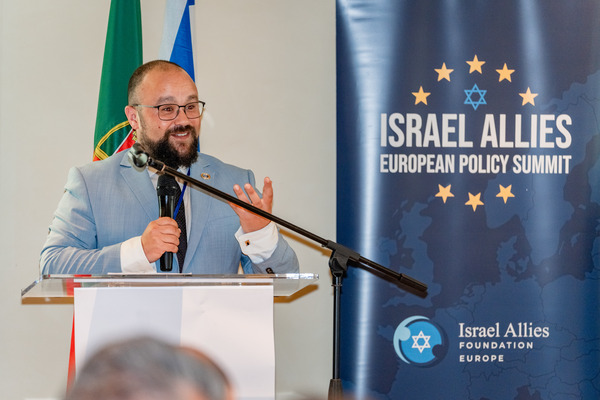
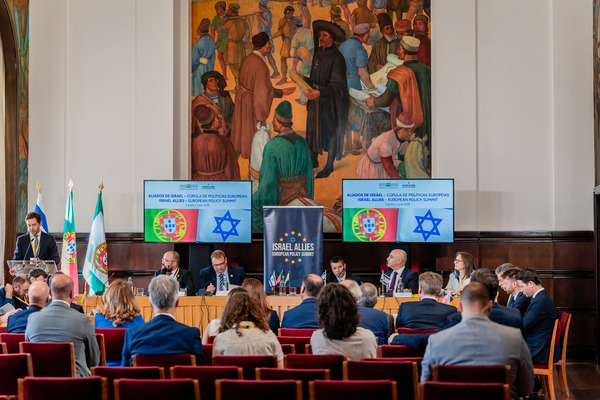
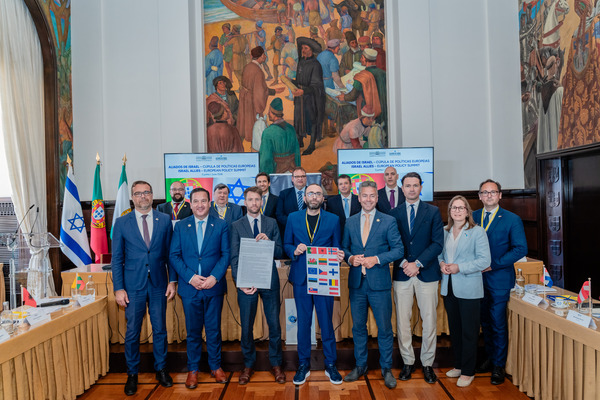
On June 2nd and 3rd, parliamentarians and policymakers from across Europe convened for the European Policy Summit organized by Israel Allies Foundation Europe in Lisbon, Portugal. This year’s summit focused on “Understanding Modern Forms of Antisemitism”. Throughout the summit, participants examined the growing prevalence of antisemitic rhetoric, discrimination, and misinformation, as well as the urgent need for coordinated action to confront hatred against Jewish communities and the State of Israel. During the summit a new IAF Europe resolution, to identify, condemn and combat modern forms of antisemitism, was unanimously adopted by 12 chairs of the IAF Europe caucuses.
Welcome to Lisbon and Happy Jerusalem Day!
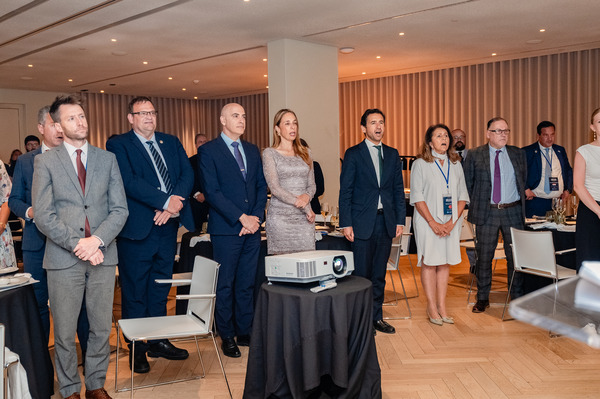
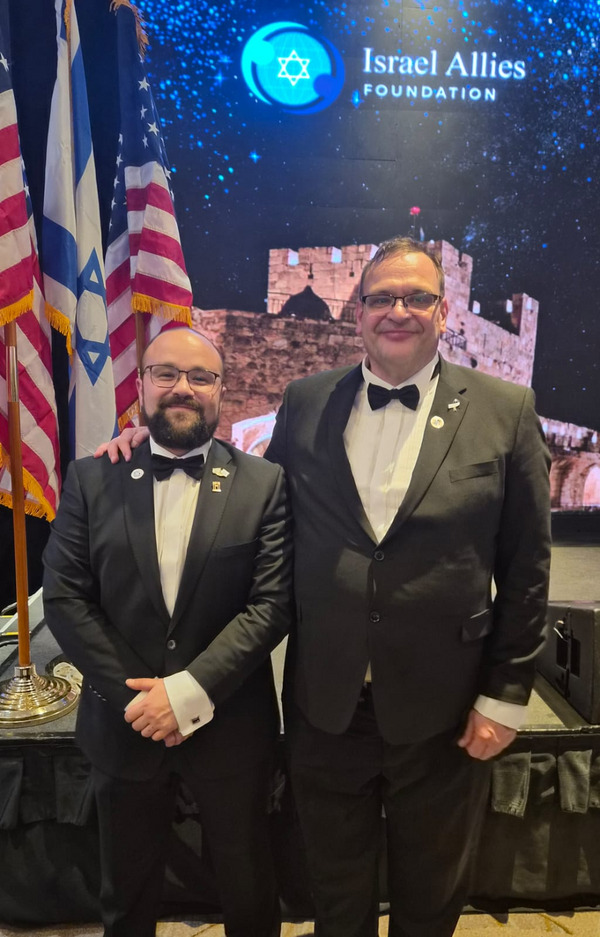
On the evening of the European Policy Summit in Lisbon, Portugal, a reception and welcoming dinner marked the official opening of the event. The gathering brought together more than 80 distinguished guests, including ambassadors, legislators from more 14 European countries, Jewish and Christian faith leaders, diplomats, and civil society representatives. The evening began with welcoming remarks by Executive Director Leo van Doesburg, who highlighted the importance of the UAF Europe network in standing firmly and united in the battle against antisemitism. The event was chaired by IAF Europe’s Policy Director, Raouf Leeraar. The President of the Israel Allies Foundation, Josh Reinstein, explained more about the Israel Allies Foundation and how the network empowers and equips thousands of legislators through 64 parliamentary Israel Allies caucuses world wide and 25 in Europe. Reinstein was followed by H.E. Oren Rosenblat, Ambassador of Israel to Portugal, and H.E. John Joseph Arrigo, Ambassador of the United States to Portugal, showing the unbreakable bond between the United State of America and the State of Israel. Dr. Madalena Barata, Country Director of IAF Europe in Portugal, and MP Pedro Frazão, Chair of the Israel Allies Caucus in Portugal, spoke about the history of the caucus in Portugal and its impact in the country. Out of solidarity between the two countries, the evening was closed with the Portuguese and the Israeli anthems.
Meeting with the Portuguese Caucus in the parliament
The second day of our European Policy Summit in Lisbon started with a productive meeting with the Portuguese Caucus, focusing on ways to deepen and strengthen cooperation with the international IAF network. The discussion placed special emphasis on the shared commitment to combating antisemitism and advancing initiatives that foster Jewish life in Europe. The meeting was chaired by MP Pedro Frazão and the speakers were H.E. Oren Rosenblat, Josh Reinstein and Leo van Doesburg. Members of the Portuguese Israel Allies Caucus participated actively in the discussion and Q&A session.
The IAF Europe Chairmen's Meeting
The meeting with members of the Portuguese Israel Allies caucus was followed by the annual IAF Europe Chairmen's meeting. The session was chaired by IAF Europe's Executive Director, Leo van Doesburg, and started with an discussion about strengthening the IAF Europe network. We were honored by the online participation of Sharren Haskel, Deputy Minister of Foreign Affairs of the State of Israel, who stressed the importance of the IAF network in the fight against antisemitism. In times of increasing antisemitism in Europe, we cannot allow ourselves to look the other way. IAF´s President, Josh Reinstein, led the discussion to formulate a new IAF Europe resolution, focusing on combating modern forms of antisemitism. Following the active participation of the chairs, the resolution was adopted unanimously by IAF Chairman from 12 different parliaments in Europe.
The following resolution was adopted:
- Reaffirm our unwavering support for the State of Israel as the democratic nation-state of the Jewish people, recognize its right to exist in peace and security, and acknowledge Jerusalem as its capital;
- Call upon European governments to move their embassies to Jerusalem in recognition of this reality and in support of Israel’s sovereign right to determine its own capital;
- Recognize that anti-Zionism constitutes a modern form of antisemitism by denying the Jewish people the right to self-determination, self-defense, and delegitimizing the existence of the Jewish state, as defined by the IHRA Working Definition of Antisemitism;
- Urge European states to incorporate the IHRA Working Definition of Antisemitism into national legislation, law enforcement policies, educational systems, and public institutions;
- Condemn the egregious exploitation of international institutions and human rights frameworks to singularly target Israel while ignoring or minimizing terrorism and incitement against Israelis and Jews. Recognize, in line with the IHRA definition, that such double standards constitute antisemitism;
- Reject false accusations comparing Israel to apartheid regimes, colonial enterprises, or genocidal states, recognizing these narratives as distortions designed to delegitimize the Jewish state and inflame antisemitism;
- Condemn the growing normalization of antisemitic rhetoric, intimidation, and violence across Europe, including the dramatic rise in incidents following the October 7 Hamas atrocities and the failure of institutions to confront it;
- Encourage national governments to robustly combat antisemitic incitement, including calls for the destruction of Israel, the glorification of terrorism against Jews, or crimes against Jewish communities under the guise of anti-Israel activism;
- Call upon national governments to suspend public funding for educational institutions where antisemitism is allowed to flourish without consequences, endangering Jewish staff and students;
- Recognize that organizations promoting the boycott, delegitimization, or isolation of Israel contribute to antisemitic hostility, and therefore call for increased scrutiny of extremist anti-Israel movements, including BDS initiatives;
- Reaffirm Israel’s inherent right to defend its citizens against terrorism and external aggression, including from Hamas, Hezbollah, and the Islamic Republic of Iran;
- Support stronger measures against state-sponsored antisemitism propagated by the Islamic regime of Iran and its proxies, and fully support the people of Iran for a free and democratic Iran;
- Stand in full solidarity with Jewish communities throughout Europe and around the world and declare unequivocally that Jewish life must not merely survive in Europe, but flourish openly, proudly, and safely;
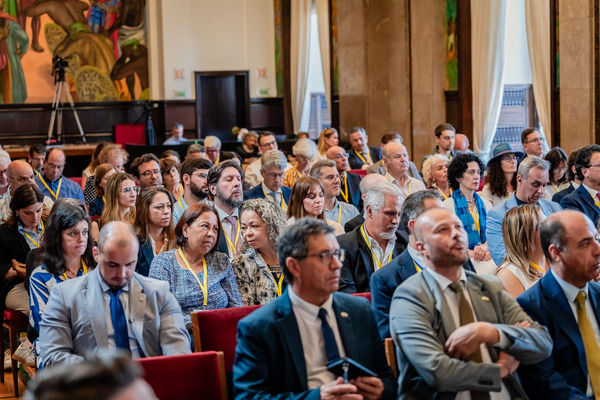
Conference: Understanding Modern Forms of Antisemitism
The conference about Understanding Modern Forms of Antisemitism marked the closing event of our annual European Policy Summit. The event was attended by around 120 people. We were honored to have IAF President, Josh Reinstein; Chair of the Israel Allies Caucus in Portugal, MP Pedro Frazão; Senior European Representative of the Simon Wiesenthal Center, Daniel Schuster; President of the Jewish Community of Lisbon and Member of the Executive Board of the World Jewish Congress, Dr. David Botelho, and IAF Europe’s Policy Director, Raouf Leeraar, as our speakers. Israeli Minister of Diaspora Affairs and Combating Antisemitism, H.E. Amichai Chikli, joined us online to address the audience. The conference was moderated by IAF Europe’s Executive Director, Leo van Doesburg.
Opening the Wounds of the Holocaust
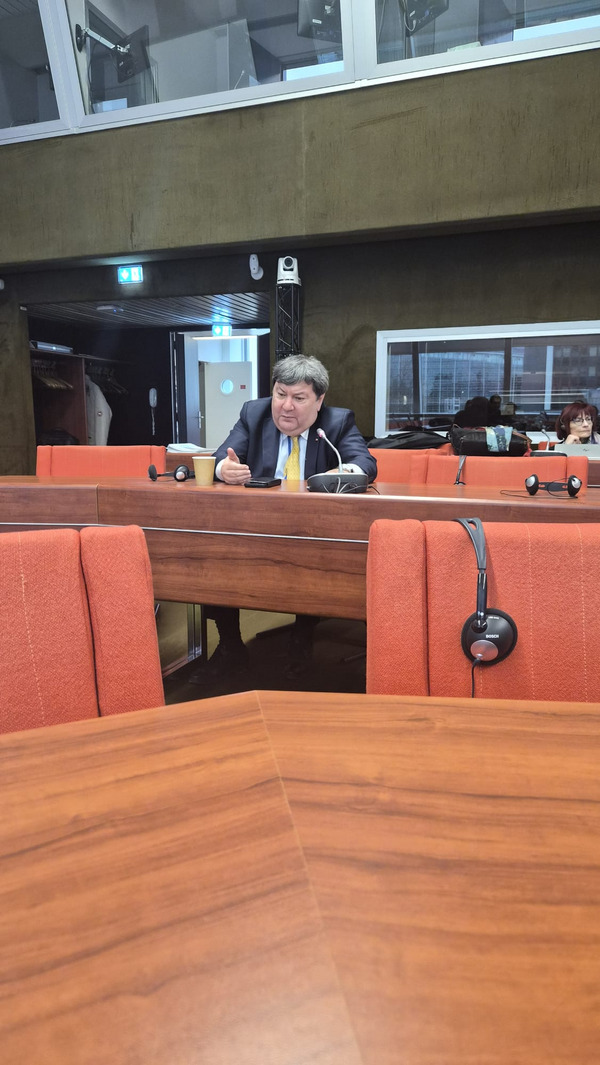
Meeting in the Parliamentary Assembly of the Council of Europe
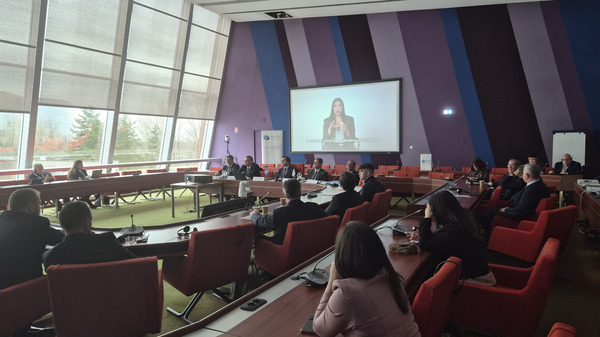
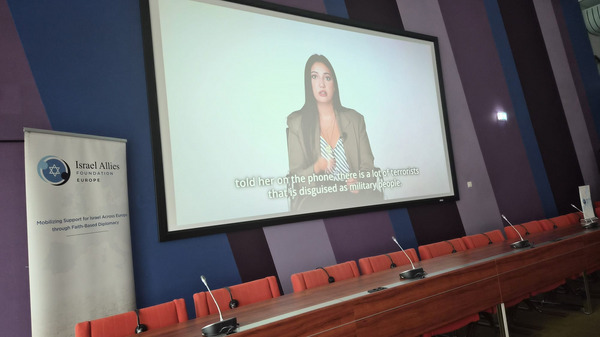
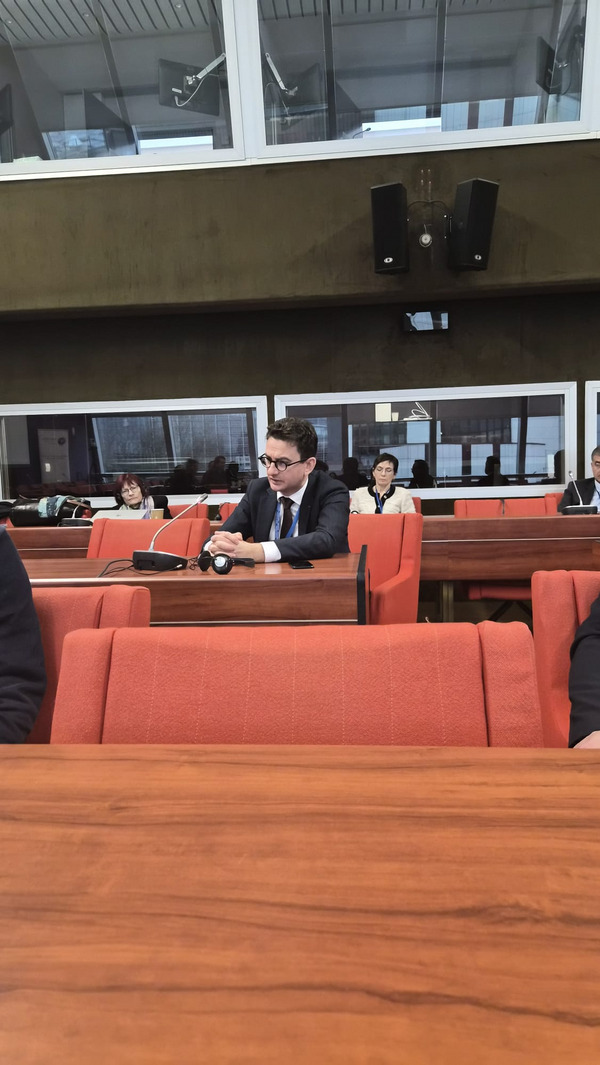
On January 27th, International Holocaust Remembrance Day, Israel Allies Foundation Europe organized after the Holocaust remembrance Ceremony, a solemn and deeply impactful side event at the Parliamentary Assembly of the Council of Europe (PACE) in Strasbourg titled “Opening the Wounds of the Holocaust.” This meeting reflecteded not only on the Holocaust, but also on the traumatic impact of the October 7 Hamas massacre and the alarming resurgence of antisemitism across Europe.
The event was hosted by MP Pablo Hispan, President of the EPP Group, and MP Titus Corlățean, Member of the SOC Group, reflecting broad cross-party engagement within the Assembly on an issue that transcends political lines.
Memory with meaning
In his opening remarks, Executive Director of IAF Europe, Leo van Doesburg, emphasized the moral weight of gathering on Holocaust Remembrance Day within the Council of Europe - an institution founded to defend human dignity, democracy, and the rule of law.
He reminded participants that remembrance must not become routine or symbolic
“Holocaust remembrance is not only about honoring the past; it is about recognizing warning signs in the present.”
Reflecting on the October 7 attacks, Van Doesburg made an important distinction:
“The events of October 7 did not recreate the Holocaust… But what October 7 did do was reopen deep trauma. For many Jewish people across Europe, October did not only bring grief for the victims in Israel. It brought the realization that antisemitism, once again, can surface rapidly, openly and with frightening intensity; even in democratic societies that preide themselves on “Never Again.”
Reflections from the hosts
Both hosts, MP Pablo Hispan (EPP) and MP Titus Corlățean (SOC), echoed concerns about the worrying rise of antisemitism across Europe. They stressed that the Holocaust stands as a horrific historical example of what can occur when antisemitism goes unchecked, normalized, or politically instrumentalized.
The Documentary
The centerpiece of the event was the screening of a 22-minute documentary produced by the Jerusalem Institute of Justice, featuring a reconstruction of the October 7 Hamas attack at the Nova music festival based on firsthand testimonies from survivors of the October 7
Joining the event online was Uri Morad, Director of International Law and Public Diplomacy at the Jerusalem Institute of Justice and the producer of the documentary. He addressed the Assembly following the screening, explaining the importance of documenting these testimonies for both historical record and legal accountability.
The impact of October 7
The event was also honored by the presence of His Excellency Shai Cohen, Ambassador of Israel to France and International Organizations, who reflected on how the October 7 attacks permanently altered Jewish life worldwide.
Ambassador Cohen spoke about how the horrific incidents of that day did not merely represent another episode of violence, but reopened collective wounds deeply embedded in Jewish memory. The massacre, he noted, shattered assumptions of safety and revived existential fears many believed belonged to history.
A shared responsibility
The side event also welcomed MP Iulian Bulai, President of the ALDE Group, who delivered a clear and powerful message that Antisemitism is not a Jewish problem, but that it is a societal problem.
He stated unequivocally that antisemitism is unacceptable in any form and must be confronted collectively.
From remembrance to responsibility
By convening this side event at PACE on Holocaust Remembrance Day, IAF Europe sought to connect historical memory with present-day vigilance.
In total about fifty participants including about 30 legislators from four political groups participated to this first side-event that was organized by IAF Europe in the Council of Europe. This demonstrated a shared recognition that combating antisemitism must remain a cross-party commitment within Europe’s democratic institutions.
The discussions in Strasbourg made clear that remembrance must remain active, principled, and policy-driven.
The wounds of history cannot be erased. But they must not be ignored, nor allowed to reopen without response.
Chairmen’s Conference 2025: Strengthening global support for Israel in Washington D.C.
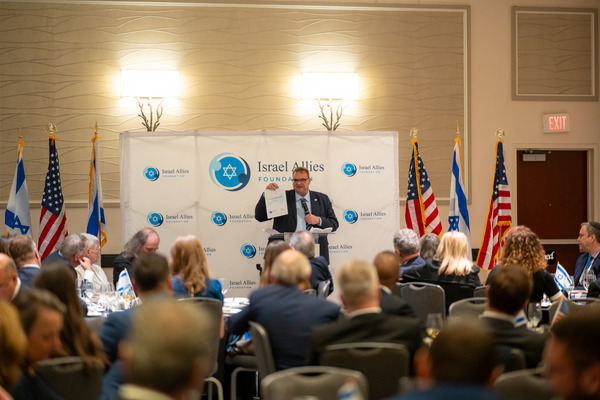
From Tuesday 9 through Friday 12 December 2025, the annual Chairmen’s Conference of the Israel Allies Foundation (IAF) took place in Washington, D.C. The conference convened an exceptional international delegation of parliamentarians, policymakers, and civil society leaders united by a shared commitment to Israel through faith-based diplomacy.
This year’s conference brought together more than 35 parliamentarians from over 40 countries, underscoring once again the continued global growth and influence of the Israel Allies Foundation network.
Official Opening and Welcome Dinner
The conference officially opened with a welcome dinner at the JW Marriott Hotel, providing participants with the opportunity to reconnect, exchange experiences, and forge new strategic relationships. The evening was honored by the presence of Israeli Minister Gila Gamliel, whose participation highlighted the close and growing ties between Israel and its international allies.
Chairmen’s Meeting and Adoption of the Resolution
On Wednesday, 10 December, the official working sessions commenced under the leadership of the IAF and key partner organizations, including Bridges for Peace, All Nations Convocations, and the International Christian Embassy Jerusalem (ICEJ). Regional Directors, including Leo van Doesburg, Executive Director of IAF Europe, addressed the audience with updates about IAF’s work in the past year. During these sessions, the chairs of the parliamentary Israel Allies caucuses unanimously adopted the IAF Chairmen’s Conference Resolution, reaffirming their collective support for Israel and their commitment to coordinated international action. You can find the adopted resolution here.
Engagement on Capitol Hill
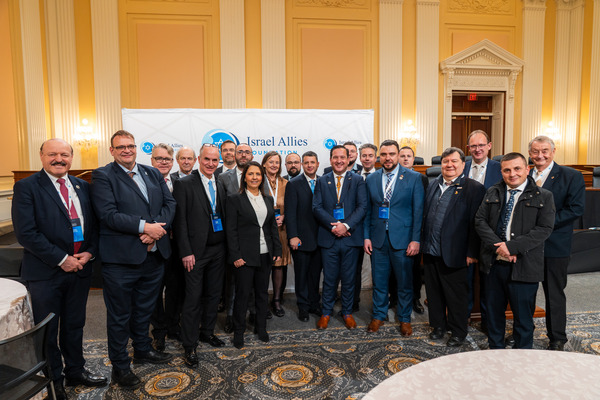
Later that day, the delegation visited Capitol Hill for substantive meetings with members of the Congressional Israel Allies Caucus. Members of Congress expressed strong support for Israel and engaged in in-depth discussions with their international counterparts on key issues such as academic boycotts, antisemitism, legislative cooperation, and the strategic role of faith-based diplomacy. Regional Directores, including Leo van Doesburg, also addressed the audience. These meetings were followed by regional breakout sessions, during which parliamentarians discussed shared challenges and opportunities within their respective continents. The agreed upon points were handed over to Congressman Chris Smith by Leo van Doesburg.
At the U.S. Congress, the adopted resolution was formally signed by the attending chairs of the IAF caucuses.
Reception and Dinner at the Capitol Hill Club
The evening concluded with a reception and dinner at the Capitol Hill Club, opened by Josh Reinstein, President of the Israel Allies Foundation. He emphasized the importance of visible, courageous, and united leadership by pro-Israel policymakers, particularly at this critical moment.
A particularly significant contribution came from Reza Pahlavi, the Crown Prince of Iran, who spoke candidly about the Iranian people, the oppression imposed by the current regime, and his vision for a future Iran living in peace with Israel and its neighbors. Amir Avivi delivered a comprehensive security briefing on the current situation in Israel and the wider Middle East. Minister Gila Gamliel also addressed the gathering, reflecting on the unique and deepening bond between Israel and Christian politicians worldwide.
White House Faith Office briefings
On the final day, the delegation visited the White House Faith Office, where participants received extensive briefings from senior officials of the Trump Administration. The sessions were led by Paula White, Senior Advisor to the Honorable President Donald J. Trump, who outlined the administration’s faith and values policy and its implications for international engagement.
Gala Awards Dinner: A historic conclusion
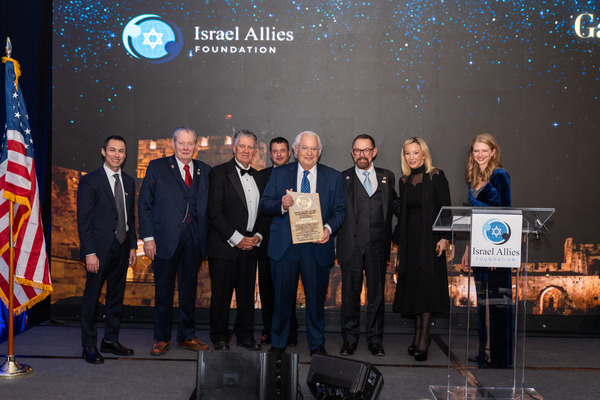
The highlight of the conference was the Israel Allies Foundation Gala Awards Dinner, hosted by the IAF’s U.S. Director, Jordanna McMillan. The event welcomed over 700 guests, including parliamentarians, religious leaders, diplomats, and civil society representatives from around the world. The evening opened with a moving joint performance of the American and Israeli national anthems.
U.S. Senator Ted Cruz delivered a powerful address condemning antisemitism across the political spectrum and warning against radicalization and disinformation, particularly among younger generations. Pastor Paula White shared a personal reflection on how her faith shaped her understanding of Israel’s unique place in biblical history and global affairs. Minister Gila Gamliel again underscored the strategic and moral importance of the alliance between Israel and Christian leaders worldwide, rooted in shared values, historical ties, and a commitment to freedom and democracy.
A particularly historic moment came with the presentation of the Israel Allies Foundation Award to President Donald J. Trump, in recognition of his exceptional and unprecedented support for the State of Israel. President Trump addressed the audience through a personal videomessage, expressing his appreciation for the work and mission of the Israel Allies Foundation. The video message can be found here.
Looking ahead
The Chairmen’s Conference 2025 reaffirmed the strength, unity, and global reach of the Israel Allies Foundation network. Through high-level political engagement, strategic dialogue, and faith-based partnership, the conference demonstrated a shared resolve to stand with Israel and to deepen international cooperation in defense of freedom, democracy, and truth.
Facing the Academic Front against Israel
Annual Conference in the European Parliament
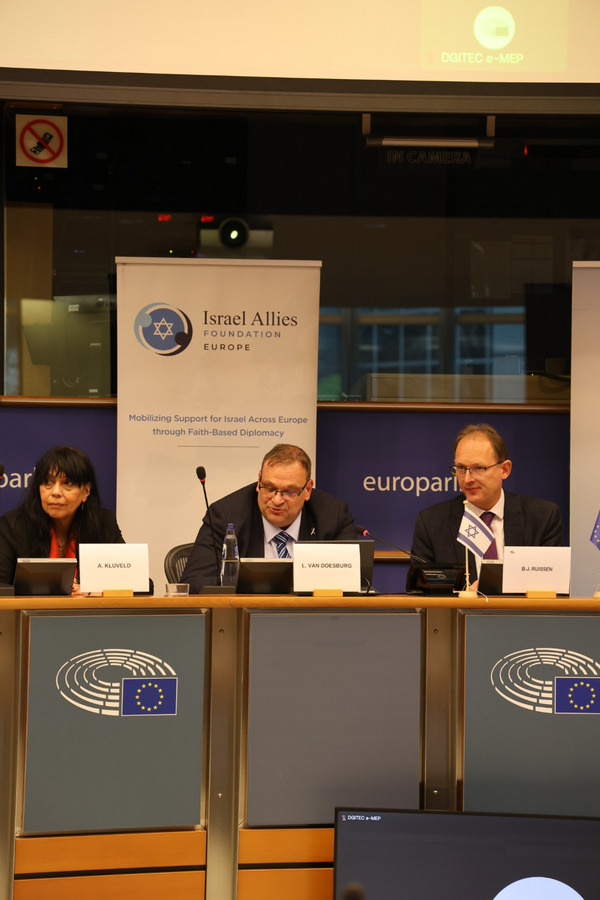
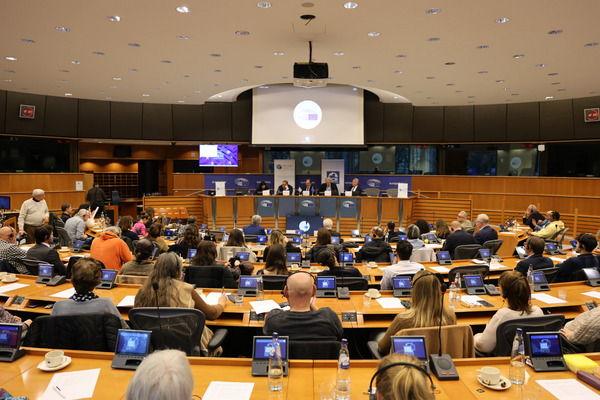
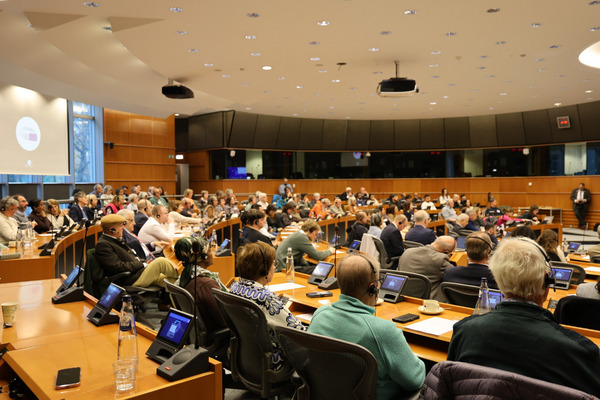
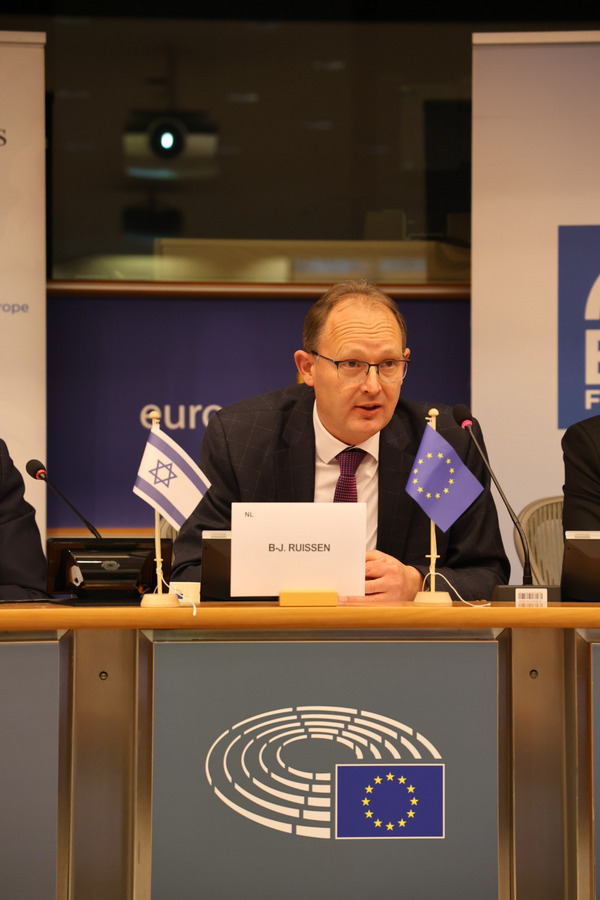
At the beginning of December, policymakers, academics, civil society leaders, and student representatives gathered in the European Parliament for the annual conference “Facing the Academic Front Against Israel.” Hosted by MEP Bert-Jan Ruissen and MEP Henrik Dahl, and organized in cooperation with the Israel Allies Foundation Europe, the conference addressed the growing politicization of European universities, the erosion of academic freedom, and the normalization of antisemitism on campus following 7 October 2023.
Universities as an ideological battleground
Leo van Doesburg, Executive Director of Israel Allies Foundation Europe, warned that universities across Europe are increasingly becoming platforms for ideological activism rather than open academic inquiry. He noted that more than 80 European universities have partially or fully severed ties with Israeli institutions, undermining academic freedom and punishing scholars who have no connection to government policy or military actions.
The “October 7 Effect” and the Academic breakdown
Amanda Kluveld, Assistant Professor at Maastricht University, presented her research on the so-called “October 7 Effect.” She argued that, in parts of European academia, the Hamas massacre was rapidly reframed through activist narratives rather than met with moral clarity. According to her analysis, unverified data from activist NGOs circulates through UN bodies, media, and academic publications in a closed loop, replacing methodological rigor with repetition. This process, she warned, turns legal concepts such as genocide into political slogans and reframes the remembrance of Israeli hostages as alleged political bias.
Israeli academia as a target
Member of the Knesset Moshe Tur-Paz strongly rejected the portrayal of Israeli universities as complicit actors. He emphasized that Israeli academic institutions are global leaders in fields such as artificial intelligence, cybersecurity, medicine, and climate innovation. Boycotts of institutions like the Technion, Hebrew University, Weizmann Institute, and Tel Aviv University, he argued, are discriminatory and harmful to Europe’s own scientific and academic interests. Academic boycotts punish students and researchers, not governments, and erode essential international cooperation.
Voices of Jewish Students
Dutch Jewish students Yaël Cohen and Cristine Bennen shared personal testimonies illustrating the deteriorating safety of Jewish students on Dutch campuses. Bennen highlighted her involvement in the StandWithUs Emerson Fellowship, which provides safe spaces and community for Jewish students, enabling them to express their identity despite growing hostility. Cohen described facing severe antisemitic harassment, threats, and doxing after speaking publicly, and explained that she was forced to conceal Jewish symbols, even in her healthcare workplace, to feel safe. Both students questioned how European institutions expect Jewish students to speak out when doing so exposes them to serious personal risk.
Discrimination and Policy Responses
Ralph Pais, Vice-President of the Jewish Information and Documentation Centre (JID) in Belgium, testified that Jewish and Israeli students increasingly feel unsafe, silenced, or excluded. Events featuring Israeli or Jewish speakers often face disproportionate security requirements or cancellation, while openly hostile activism encounters little resistance. He stressed that institutional neutrality in the face of intimidation amounts to abandonment and constitutes discrimination under European ethical standards.
Pais presented concrete policy recommendations, including conditioning EU research funding on non-discrimination, mandatory adoption of the IHRA definition of antisemitism, transparent reporting of antisemitic incidents, independent monitoring of campus conduct, scrutiny of foreign and NGO funding linked to extremism, and sanctions for institutions enforcing academic boycotts against Israel.
Conclusion: A defining test for Europe
The conference concluded with a clear warning from Leo van Doesburg: what begins with the exclusion of Jews never ends with Jews. He expressed deep concern after hearing a Jewish student state that being Jewish has made her life unsafe in the Netherlands, questioning whether this reflects the kind of Europe society is becoming. The remarks highlighted a central theme of the conference: radicalization does not begin with extremism, but with normalization when intimidation is tolerated, unverified claims become institutional positions, and hostility is accepted as routine.
This dynamic, described as the “October 7 Effect,” demonstrates how narratives spread from media into universities, turning normalization into radicalization. While the European Parliament has a responsibility to act, the responsibility also lies with individuals, civil society, and opinion leaders. Public discourse and media shape political action, making collective engagement essential.
Concrete measures are necessary, including making the adoption of the IHRA definition of antisemitism a condition for European funding, embedding it in national legislation, strengthening monitoring and control mechanisms within universities, and ensuring transparency around funding, particularly funding linked to extremist organizations.
Universities that become ideological tribunals risk undermining the integrity of Europe’s academic system. However, speakers emphasized that restoration remains possible through political resolve, civil society engagement, and a renewed commitment to truth, academic rigor, and equal protection for all students.
The academic front against Israel, the conference concluded, is not a marginal issue. It is a defining test of Europe’s commitment to freedom, reason, and the rule of law.